Search Results
202 results found with an empty search
- Mental Health FAQs | Expert Private Mental Health Treatment & Support for ADHD, Autism & More – Schoen Clinic Chelsea & UK-wide
Our private mental health clinic in London, Schoen Clinic Chelsea, offers comprehensive support for adults and children with a wide range of mental health conditions. We provide specialist private outpatient treatment for eating disorders, developmental delays, ADHD, and Autism, as well as therapy and counselling for most other mental health concerns. Our experienced clinicians deliver evidence-based therapies tailored to individual needs, ensuring the best possible outcomes for each client. Whether you are looking for private ADHD treatment for adults , private child mental health services (CAMHS), or support for complex neurodevelopmental concerns such as Autism or eating disorders , our team is here to help. With a focus on personalised care and long-term wellbeing, we make it easier for individuals and families to access the right support when they need it most. We've compiled these mental health FAQs to address some of the most frequently asked questions from patients and their families, providing a clearer understanding of our services and how we can support your journey to improved wellbeing. In addition to outpatient treatments, we also offer high-quality residential and nursing care for individuals living with dementia at Wellen Court, Schoen Clinic York, providing a safe and supportive environment for individuals who need round-the-clock support for dementia in York. 1. Where to find award-winning mental health clinics in the UK? The UK has several award-winning mental health clinics, particularly in London. Schoen Clinic Chelsea is a private clinic in central London recognised nationally and internationally for its excellence in treating eating disorders, anxiety, depression, ADHD and Autism. For patients outside the capital, we also offer online therapy and psychiatric consultations nationwide, making expert care accessible wherever you live in the UK. 👉 Book an appointment 2. What treatments are available for eating disorders in London? In London, treatments for eating disorders include outpatient therapy, day programmes and private psychiatry. At Schoen Clinic Chelsea , we provide specialist outpatient and day services tailored to anorexia, bulimia, binge eating disorder and related conditions. For patients across the UK, our eating disorder specialists also deliver online assessments, therapy and ongoing support.👉 Explore eating disorder treatments 3. Where can I find residential and nursing care for dementia in York? Wellen Court, Schoen Clinic York is a specialist care home providing residential and nursing care for individuals living with dementia. Our home away from home environment supports people with 24/7 support in a bright, comfortable and modern environment. Wellen Court can support the complex presentation of dementia as our clinical teams are specially trained by leading dementia partners. Local Authority, NHS and privately funded service users welcome. 👉 Learn more about our dementia care home today 4. Where can I find mental health treatment in London? London offers a wide choice of private mental health services. At Schoen Clinic Chelsea , our private clinic provides in-person treatment for a wide variety of mental health challenges, including anxiety , depression , eating disorders, ADHD and Autism through outpatient and day programmes. If you’re outside London, you can access our team of psychiatrists, psychologists and therapists online from anywhere in the UK. 👉 See London treatments 5. Where can I find daycare mental health services in London? Private group therapy mental health services provide structured therapies to fit around your lifestyle. Schoen Clinic Chelsea in London offers private therapy groups during the day (weekdays) for burnout, trauma, anxiety and depression. For patients across the UK, our therapists, psychologists, paediatricians, nutritionists and psychiatrists are available online. 👉 View our specialists 6. What mental health services does Schoen Clinic UK Group offer in London? In London, Schoen Clinic Chelsea provides in-person outpatient and day treatments for eating disorders, anxiety, depression, ADHD and Autism. For patients unable to attend in person, we also offer online appointments nationwide, with access to psychiatrists, psychologists, paediatricians and therapists from the comfort of your home. 👉 Our London specialists 7. Are there clinics in London that focus on eating disorders? Yes. Schoen Clinic Chelsea is one of London’s leading private clinics specialising in the outpatient treatment of eating disorders. We provide in-person outpatient and day therapy groups tailored to each individual. Patients across the UK can also access our eating disorder experts online through secure virtual consultations. 👉 Specialist eating disorder outpatient care 8. How effective are multidisciplinary teams for mental health care? Multidisciplinary teams (MDTs) are proven to deliver more effective care than single-specialist treatment. At Schoen Clinic Chelsea in London, patients benefit from teams of psychiatrists, psychologists, therapists, dietitians and nurses. Our MDT approach is also available through online therapy nationwide, ensuring joined-up care wherever you live. 👉 Meet our clinical teams 9. Where can I get expert mental health care in London? Schoen Clinic Chelsea is a private clinic in central London specialising in expert treatment for anxiety, depression, eating disorders, ADHD, Autism and much more. Patients outside London can access the same level of specialist care through our secure online therapy and psychiatry services across the UK. 👉 Get expert care in London 10. Are there specialised mental health clinics in London? Yes. Schoen Clinic Chelsea is a specialist private mental health clinic in London, focusing on eating disorders, anxiety, depression, Autism, ADHD and much more. We offer tailored, evidence-based care in person at our Chelsea clinic, as well as online appointments accessible nationwide. 👉 Find out more 11. What is the cost of mental health treatment in London? Costs vary depending on the type of treatment. At Schoen Clinic Chelsea , we offer transparent pricing for outpatient services including private psychiatry appointments, and we work with most major insurers. Patients across the UK can also book online consultations, at the same price as the same amount of clinical time is required. An initial self-funding assessment with a psychiatrist starts from £425 and an initial self-funding assessment with a psychotherapist or psychologist starts from £260. 👉 See all treatment costs 12. Where can I find outpatient eating disorder treatment in London? Schoen Clinic Chelsea provides specialist outpatient treatment for eating disorders, including therapy, family support and dietetic input. For patients living outside the capital, our eating disorder specialists also offer secure online consultations nationwide. 👉 View all our specialists here 13. How to choose the right mental health clinic in the UK? When choosing a private clinic, consider specialisation, treatment outcomes and patient feedback. Schoen Clinic UK Group is unique in monitoring outcomes and offering specialist services for eating disorders, anxiety, depression, Autism, ADHD and residential dementia care. We provide in-person treatment at our London and York facilities, plus online care for outpatients across the UK. 👉 Why choose Schoen Clinic? 14. How to get help for eating disorders in the UK? Help is available through your GP, NHS services or private clinics. At Schoen Clinic UK Group, patients can self-refer for private treatment at our London clinic. We also provide nationwide online assessments and therapy for anyone unable to attend in person. 👉 Start your journey today 15. What is the patient experience like at Schoen Clinic UK Group? Patients consistently highlight the compassionate, expert-led care they receive at Schoen Clinic Chelsea in London and Wellen Court, Schoen Clinic York. For those accessing online therapy nationwide, we replicate the same personalised approach, ensuring high-quality care and regular outcome monitoring. 👉 Read patient experiences 16. Can I get personalised mental health care in London? Yes. At Schoen Clinic Chelsea, we provide bespoke in-person treatment for eating disorders, anxiety, depression, trauma, ADHD and Autism, tailored to each individual’s needs. For patients elsewhere in the UK, personalised care is also available via online consultations with our multidisciplinary team. 👉 Book a personalised assessment 17. What are the best outpatient mental health clinics in London? London is home to many outpatient services, but Schoen Clinic Chelsea is a leading specialist private clinic for eating disorders, anxiety, depression and neurodevelopmental concerns. We also provide online outpatient therapy and psychiatry nationwide, so patients across the UK can access expert care.👉 Explore outpatient experts Got a question or ready to start your journey? Ask us anything or contact us via our website and our friendly team will be in touch.
- Private mental health support in London & the UK: choose Schoen Clinic.
Finding the right help for your mental health can feel overwhelming. Long NHS waiting lists mean many people look for private mental health support in London or remote options across the UK. At Schoen Clinic Chelsea , we provide immediate access to world-class psychiatrists, psychologists, paediatricians and therapists; so you can get the care you need without delay. Whether you are searching for a private psychiatrist London, a private psychologist London, private paediatrician London or looking for online therapy UK , our clinic specialises in evidence-based care for self-funding patients who want to pay for themselves to access fast, effective treatment. What is private mental health support? Private mental health support in the UK means you can access highly qualified specialists without waiting lists. Unlike standard NHS pathways, you choose your consultant, set appointment times that work for you and begin treatment immediately. At Schoen Clinic Chelsea, we offer: Private psychiatrists London & UK online; for medical assessments, diagnosis and medication management. Private psychologists London; delivering therapy such as CBT, ACT or trauma-focused approaches. Private therapy London; tailored sessions for anxiety, depression, burnout, stress, trauma and more. Remote services – from the comfort of your home with an online psychiatrist UK or therapist. Conditions we treat and how we offer private mental health support in London Our specialists provide personalised treatment for a wide range of mental health conditions, including: Depression → with private depression treatment London designed to help you recover quickly. Anxiety disorders → immediate access to private anxiety treatment London, tailored to your needs. ADHD → comprehensive private ADHD assessment UK, with diagnosis and treatment options. Autism spectrum conditions → offering private autism assessment UK for adults seeking answers for themselve of their children. Bipolar disorder, PTSD and eating disorders → managed with specialist care. Burnout → including private burnout treatment London, supporting professionals and parents facing exhaustion. Why patients choose private psychiatry & therapy Many of our patients come to us because they’ve asked: How do I find a private psychiatrist near me? Is there a private psychologist near me available without waiting? Can I get a private mental health assessment London quickly? At Schoen Clinic Chelsea , the answer is nearly always yes. We provide same-week, sometimes same-day private psychiatrist London appointments for urgent needs. Private ADHD & autism assessments NHS waiting times for ADHD or autism assessments can stretch to years. Our private ADHD assessment UK and private autism assessment UK pathways provide a fast, accurate diagnosis. You’ll be seen by a specialist ADHD psychiatrist London or autism doctor London, with comprehensive reports you can use for workplace, school or treatment planning. Online therapy & psychiatry – nationwide Not based in London? Our online therapy UK and psychiatrist online UK services mean you can access expert care anywhere in the country. Whether you need private counselling London or online counselling UK, our experts ensure you receive the same standard of specialist care if you see them online. How we support burnout & stress Burnout symptoms are increasingly common in professionals, parents and neurodivergent individuals. If you are searching for private burnout treatment London, our clinic offers both medical and psychological support. We help with: Workplace burnout – tailored recovery plans for professionals. Parental burnout – therapy for parents managing overwhelming responsibilities. Autistic or ADHD burnout – support from specialists who understand neurodivergent challenges. Why choose Schoen Clinic Chelsea? Located in the heart of Chelsea, London, with a discreet and welcoming environment. Specialists in psychiatry, psychology and therapy—all under one roof. Immediate access for self-funding patients (no GP referral needed). Flexible appointments: in-person in London or online nationwide. Evidence-based treatment aligned with NICE guidelines. Frequently Asked Questions (FAQs) How much does a private psychiatrist in London cost? Prices vary depending on the Consultant but our time-generous initial assessments start from £425. Our team will confirm the price before your appointment. Can I access treatment outside London? Yes, through our online psychiatrist UK and online therapy UK services, we support patients across the UK. Self-funding prices for initial assessments start from £425 with a Consultant Psychiatrist and from £260 with a psychologist or psychotherapist. The price is the same whether you see our specialists in-person or online as the same amount of clinical time is dedicated to both. Do I need a GP referral? Not usually, self-funding patients can contact us directly to arrange appointments. What conditions do you treat? From depression and anxiety to ADHD, autism, PTSD, bipolar disorder, and private burnout treatment London, our specialists are here to help. Book a private appointment today If you are searching for private mental health support London or nationwide, Schoen Clinic Chelsea is here to help. 📞 Call us today on +442031462300 or book online for immediate access to a private psychiatrist, paediatrician, psychologist or therapist. With expert care, you don’t have to wait to feel better.
- Burnout explained: symptoms, recovery and how Schoen Clinic Chelsea specialists can help
Burnout is more than just feeling tired or stressed; it’s a state of emotional, physical and mental exhaustion that can affect anyone. At Schoen Clinic Chelsea , our specialists understand how complex burnout can be, whether it’s related to work, parenting, autism or ADHD. This guide explores the meaning of burnout, common symptoms of burnout, and how to begin recovery. What is burnout? So, what is burnout? The burnout meaning is often defined as a chronic state of exhaustion caused by prolonged stress, usually related to work or personal responsibilities. The World Health Organisation (WHO) recognises burnout as an “occupational phenomenon,” but it can affect people in all areas of life. In simple terms, if stress feels never-ending and recovery seems impossible, you may be experiencing burnout. Common burnout symptoms The signs of burnout often appear gradually. Many people dismiss them as stress until they worsen. Some of the most common burnout symptoms include: Constant tiredness or fatigue Difficulty concentrating Loss of motivation or interest in activities Increased irritability or anxiety Physical symptoms such as headaches, stomach problems or sleep issues If these symptoms sound familiar, you may be experiencing burnout and could benefit from professional support. Types of burnout Burnout doesn’t look the same for everyone. At Schoen Clinic Chelsea, we frequently help people dealing with specific types of burnout, including: 1. Autistic Burnout Autistic burnout is a state of intense exhaustion that many autistic people experience after long periods of navigating social expectations. Autistic burnout symptoms may include withdrawal, sensory overload and reduced ability to manage daily life. 2. ADHD burnout ADHD burnout occurs when individuals with ADHD push themselves to keep up with demands, often without recognising their limits. Common ADHD burnout symptoms include mental fatigue, restlessness and emotional overwhelm. 3. Parental burnout Parental burnout happens when caregiving responsibilities become overwhelming. Parents may feel emotionally drained, detached or unable to enjoy time with their children. 4. Job-related burnout Work-related stress can lead to IT burnout symptoms or general job burnout. Deadlines, high expectations and long hours can leave employees asking, what does burnout feel like? The answer often includes exhaustion, loss of passion and a sense of being stuck. What does burnout feel like? Many people describe burnout as “running on empty.” It feels different from everyday stress; it’s deeper, longer lasting and harder to bounce back from. Some say it feels like being numb; others describe it as constant irritability or dread. Recovery from burnout The good news is that burnout is treatable. At Schoen Clinic Chelsea , our specialists provide tailored support to help patients find lasting relief. Effective approaches to job burnout recovery or other forms of burnout may include: Therapy: Talking with a psychologist or psychiatrist can help you identify triggers and coping strategies. Medical support: For some, medication may support recovery alongside therapy. Lifestyle changes: Sleep, nutrition and exercise play a vital role in recovery. Boundaries: Learning to say no and managing expectations are essential steps in healing. Why choose Schoen Clinic Chelsea for burnout recovery? Our team of experts specialise in mental health treatment, with a particular focus on conditions that contribute to burnout, such as autism, ADHD and anxiety disorders. At Schoen Clinic Chelsea, you will find: Specialist psychiatrists and psychologists experienced in burnout recovery A personalised approach for adults, parents and neurodivergent individuals Evidence-based treatment plans to help you regain balance and resilience Take the first step If you’re wondering what is the burnout, how to recover, or whether your symptoms might point to autistic or ADHD burnout, you don’t have to figure it out alone. At Schoen Clinic Chelsea , we can help you understand, manage, and overcome burnout with compassionate, specialist care. 📞 Call us on +442031462300 or book an initial assessment online if you are self-funding treatment , let's take the first step toward recovery together.
- Exploring the World of Specialised Healthcare Services
When it comes to health, one size rarely fits all. Each person’s needs are unique, particularly when dealing with complex conditions such as mental health challenges, eating disorders, or dementia. That’s why tailored medical care is so important. By offering personalised treatment plans, healthcare professionals can meet individual needs and achieve the best possible outcomes. This article explores how specialised healthcare services work, why they matter, and how they can make a real difference in people’s lives. Contact us today if you need support. Understanding Tailored Medical Care Tailored medical care goes beyond treating symptoms. It takes into account each individual’s history, lifestyle, and specific challenges. For example, someone with an eating disorder may need a combination of nutritional guidance, psychological support, and medical monitoring. Specialist care brings these elements together in a coordinated way. This approach is especially valuable for conditions that require ongoing adjustment. Mental health issues, dementia, and eating disorders often change over time. Tailored care adapts with these changes, offering flexibility and continuity. It’s about working with people, not just for them. A key benefit of this model is that it reduces the sense of being “lost in the system.” Instead of generic treatments, patients receive focused attention from experts who understand their condition. This personalised support can improve recovery times and enhance quality of life. A calm therapy room designed for personalised mental health support How Tailored Medical Care Supports Different Needs Specialised healthcare services cover a wide range of conditions, each requiring a unique approach. For example: Mental health care – Therapy, medication management, and support groups, all adapted to diagnosis, preferences, and progress. Eating disorder treatment – Integrated plans created by dietitians, therapists, and medical doctors to restore both physical health and emotional wellbeing. Dementia care – Support focused on maintaining independence and dignity, including memory support, cognitive therapies, and family education. In all cases, the aim is not just to manage symptoms, but to improve overall wellbeing. Healthcare professional preparing a tailored treatment plan What are the four major healthcare services? Healthcare can be broadly divided into four major services, each playing a vital role in maintaining health and managing illness: Primary Care: This is your first point of contact. It includes general practitioners (GPs), nurses, and community health services. They handle routine check-ups, vaccinations, and minor illnesses. Secondary Care: This involves specialists who provide more focused treatment, often after referral from primary care. Examples include cardiologists, psychiatrists, and dietitians. Tertiary Care: This is highly specialised care for complex conditions. It often takes place in hospitals or specialist clinics and includes advanced surgeries, cancer treatment, and specialised mental health services. Quaternary Care: This is an extension of tertiary care, offering experimental treatments and highly complex procedures not widely available. Understanding these categories helps you navigate the healthcare system and know where to turn for specific needs. Tailored medical care often spans secondary and tertiary services, where specialists collaborate to provide the best treatment. Practical Tips for Accessing Tailored Medical Care Finding the right tailored care can feel overwhelming, but there are steps you can take to make the process smoother: Start with Your GP: They can assess your needs and refer you to specialists. Research Specialist Clinics: Look for clinics with a strong reputation in your area of need. For example, Schoen Clinic UK specialises in mental health, eating disorders , and dementia care . Ask About Multidisciplinary Teams : The best tailored care involves teams of experts working together. Check Waiting Times: Some specialised services have long waits. Prioritise clinics that offer timely access. Prepare Your Medical History: Having detailed information ready helps specialists create accurate care plans. Involve Your Support Network: Family and friends can provide valuable insights and support during treatment. Remember, tailored care is a partnership. Don’t hesitate to ask questions and express your preferences. Your voice matters in shaping your treatment. Healthcare team collaborating on a personalised treatment plan The Future of Specialised Healthcare Advances in research, technology, and patient-centred care are making tailored treatments more effective and more widely available. For those experiencing mental health challenges, eating disorders, or dementia, these developments bring reassurance and hope. Choosing services that focus on personalised care ensures treatment is designed around individual needs. It’s about more than managing illness, it’s about supporting long-term health and wellbeing. At Schoen Clinic UK , we are committed to providing compassionate, evidence-based care that treats every person as an individual. Our specialist teams are here to deliver expert treatment without long waits, helping people and their families navigate their healthcare journey with confidence.
- Eating disorders and laxatives
Laxatives are a form of medication taken to treat constipation. There are many different types of laxatives and most are available over the counter without prescription. Laxative misuse involves taking this medication to get rid of food to lose weight. Some people with anorexia and bulimia take a large amount of laxatives as part of their harmful food behaviour. If you need support for yourself or a loved one, please don't hesitate to contact our team . Why do people with eating disorders misuse laxatives? People with eating disorders frequently complain about constipation and bloating. This is because their bowel has slowed down as a result of a poor supply of food and fluid. So taking laxatives does not address the real cause of their constipation. People may observe a decrease in their weight after taking laxatives to induce diarrhoea. However, this weight loss is entirely the loss of body fluid. There is no loss of body mass tissue, fat or calories. The effects of laxative misuse Laxative misuse causes dehydration, which results in a range of serious problems. When you are dehydrated, you are likely to feel faint and tired and develop painful headaches. The loss of fluid is likely to result in bloating, particularly around your stomach and ankles. You lose essential minerals which are present in the fluid within the bowel. The most important mineral which is lost is potassium. Potassium plays a vital role in the function of nerves, particularly the nerves of the heart. If potassium levels fall, the heartbeat may become irregular. Potassium levels can be checked with a blood test and heart rhythm with an ECG (electrocardiograph). People with low levels of potassium may be given potassium tablets or if their condition is more serious, be admitted to a hospital where potassium is given through an intravenous (through the veins) drip. Many laxatives work by stimulating the muscle wall of the bowels to contract and push the contents through quickly. But such artificial stimulation eventually leads to loss of bowel tone and the muscle wall becomes thin and flaccid. At this stage, bowel function may be permanently weakened and slow. Many people end up suffering severe and long-term constipation, which will not respond to more laxative medication. The benefits of giving up laxative misuse Your physical appearance is likely to improve noticeably and quickly after stopping or reducing laxative abuse. Your skin will look better and your stomach is likely to become less bloated. Advice on giving up laxatives If you only take a small amount of laxatives or have been misusing laxatives for a short amount of time, you may be able to stop in one step. Some people find they can throw away the packets of laxatives they have and stop themselves from buying more. If you have been misusing laxatives for a long time and take them every day, it is more realistic for you to gradually reduce the amount you take. Perhaps you can keep a few days laxative-free, or aim to cut down your overall use week by week. Tips for giving up laxatives: Eat plenty of fruit and vegetables and high-fibre, wholemeal food Drink lots of water Don’t eat large quantities of bran because this can stop your body from absorbing minerals Try not to panic about putting on weight. If you do gain a little weight, this is rehydration. You will not become overweight if you maintain a healthy diet. Remember, laxatives do not reduce body mass, fat or tissue. Please reach out to our caring team at Schoen Clinic if you need support for yourself or a loved one. Our specialists in London offer highly specialised treatments for children, teens and adults.
- Build Skills for Emotional Resilience in Our DBT-Informed Group Therapy in London
If you’re struggling with intense emotions, relationship difficulties, or feeling overwhelmed by day-to-day life, group therapy can offer a powerful, supportive space for healing. At Schoen Clinic Chelsea, our DBT-informed skills group helps adults develop practical strategies to manage distress, build emotional regulation, and improve interpersonal effectiveness, all within a structured therapeutic setting. Led by experienced Psychotherapist Zoe Laxton , the group is part of our broader specialist group therapy offering at our private mental health and wellbeing clinic in London . “DBT is a fantastic tool and can benefit so many areas of our lives,” says Zoe. Read on to learn more about the benefits of DBT-informed group therapy, what to expect from sessions, and how to join. What Is DBT-Informed Group Therapy? Dialectical Behaviour Therapy (DBT) is an evidence-based psychological treatment originally developed to support individuals with Borderline Personality Disorder (BPD) and chronic emotion dysregulation. Today, it is widely used to support people dealing with a range of mental health conditions, including: Anxiety disorders Depression ADHD PTSD and trauma-related difficulties Emotional dysregulation Relationship problems Self-harming behaviours DBT-informed group therapy focuses on teaching core coping skills that help individuals navigate emotional distress more effectively, improve relationships, and lead more balanced, mindful lives. “In the groups, we will work together on a particular skill or two each session,” explains Zoe. “We’ll learn different skills that we can put into practice in the room and also outside the therapy room as well.” What Skills Will You Learn? The DBT-informed group at Schoen Clinic Chelsea focuses on four key areas of psychological resilience: 1. Mindfulness Mindfulness teaches you how to stay present, grounded, and aware of your thoughts and surroundings. “Mindfulness is about staying grounded and in the present moment and really being connected with what's going on with our surroundings,” Zoe says. By developing mindfulness skills, group members can start to notice and respond to emotions with greater clarity and calmness rather than reacting impulsively or becoming overwhelmed. 2. Distress Tolerance These are your “firefighting” skills, useful in moments of high emotional intensity or crisis. “Perhaps there's been an event that has resulted in you becoming incredibly emotionally aroused, and what we'd need to do is to bring this level of intensity of the emotion down. These skills of distress tolerance are really great for doing that,” Zoe explains. Distress tolerance techniques help you cope with overwhelming emotions without resorting to unhealthy or harmful behaviours. 3. Emotional Regulation These skills focus on identifying, naming, and managing emotions more effectively. “The goal is to not let your emotions control you,” says Zoe. “And that can be really difficult for some people who experience emotions incredibly intensely.” Participants learn how to increase emotional awareness, reduce vulnerability to emotional shifts, and foster more stable moods over time. 4. Interpersonal Effectiveness Communication challenges often worsen mental health difficulties. This module helps individuals express their needs clearly, set healthy boundaries, and improve relationship dynamics. “Perhaps you have difficulty in communicating effectively or getting your needs met,” Zoe says. “Perhaps you have difficulties being able to put in boundaries with other people.” How Is This Group Different from Individual Therapy? Group therapy offers the opportunity to learn in a community—with the added benefit of peer support and shared experiences. While individual therapy is highly personalised, group work allows members to see that they are not alone in their struggles. Zoe notes that many participants combine group therapy with individual sessions for a more comprehensive treatment experience. “In individual therapy, we will identify specific skills that are applicable to you and your life,” she explains. “Some skills are great for some people, some not so other. It’s about building this personal toolbox of skills to use in your day-to-day life.” Who Can Benefit from DBT-Informed Skills Groups? This group is designed for adults who: Feel overwhelmed by emotions or mood swings Struggle with anxiety, panic, or emotional sensitivity Have difficulty managing relationships or setting boundaries Are recovering from trauma or living with BPD Want to develop mindfulness, confidence, and emotional resilience Participants do not need a formal diagnosis to benefit from the group. Many attend because they feel stuck, disconnected, or unable to regulate their emotions effectively. Meet the Facilitator – Zoe Laxton Zoe Laxton (MBACP, GMBPsS) is a registered psychotherapist currently completing her Doctorate in Counselling Psychology and Psychotherapy . Zoe Laxton, Psychotherapist at Schoen Clinic Chelsea Her work is grounded in integrative, person-centred care, drawing from DBT, CBT, psychodynamic and existential therapies. Zoe has experience supporting individuals with a wide range of challenges including: Borderline Personality Disorder (BPD) Anxiety and generalised worry Childhood trauma and attachment difficulties ADHD Depression and low mood Relationship issues and emotional overwhelm “My aim is to help people understand themselves more deeply, manage emotions more effectively, and feel more empowered in their daily lives,” Zoe shares. Learn more about Zoe Laxton and book a consultation. How to Join the Group Our DBT-informed skills group runs weekly at Schoen Clinic Chelsea , located in West London. Sessions are facilitated in a safe, confidential space and designed for adults aged 18 and over. To explore whether this group is right for you, or for your patients if you're a referring clinician, get in touch with our team or visit our specialist therapy group page below. Explore our Specialist Therapy Groups in London Watch the Video 🎥 Hear directly from Zoe Laxton in this short video introduction to the group At Schoen Clinic Chelsea, we believe therapy should empower individuals with tools they can carry into every aspect of life. Whether you’re living with BPD, navigating trauma, or simply looking for a healthier way to manage stress and emotions, our DBT-informed group offers a structured, supportive path forward. For more information or to book your initial appointment, contact our team today.
- When Beauty Isn’t Real: The Rise of AI Models and the Mental Health Cost of Synthetic Perfection
In August 2025's print edition of Vogue , an advert featuring a striking woman in a floral playsuit and striped maxi dress made headlines, not for what she was wearing, but for what she wasn’t. Real. Created entirely by AI for Guess, the model’s polished appearance is flawless, symmetrical, and critically, unattainable. SERAPHINNE VALLORA: AI-generated model for Guess in Vogue August 2025 edition. The fashion world has long wrestled with the damaging consequences of unrealistic beauty ideals. But the rise of AI-generated models brings a new layer of complexity, one with serious implications for public mental health. According to specialists at Schoen Clinic Chelsea , this shift in visual culture could be fuelling body dysmorphia , eating disorders , and anxiety , especially among young people navigating identity in a digital age. The problem isn’t new - just more perfect than ever Dr Bradley Powell, Chartered Clinical Psychologist, Schoen Clinic Chelsea From airbrushed supermodels to filtered Instagram selfies, the media has always presented edited versions of reality. But as Dr Bradley Powell , Chartered Clinical Psychologist, explains, AI-generated bodies represent a new threshold of distortion: “Unlike traditional beauty standards shaped by media, AI models are often literally unachievable digital composites created without the limitations of biology, health, or diversity.” These aren’t people edited to look flawless. They’re entities designed to be flawless. The danger? When real people compare themselves to these fabricated images, the psychological fallout can be profound. “If we are comparing ourselves to something that doesn’t even exist, it’s no surprise that feelings of inadequacy can deepen,” Dr Powell notes. The rise of synthetic beauty: A step backwards for diversity? Model and body diversity advocate Felicity Hayward called the Vogue ad “disheartening,” warning it risks undermining progress toward inclusive representation in fashion. Ten years ago, major brands featured transgender, plus-size, and hijab-wearing models. Today, they’re reverting to digital avatars that reinforce narrow ideals, typically white, thin, symmetrical, and conventionally attractive. Even the creators of the Guess AI model, Seraphinne Vallora, admit that their diverse AI content receives less engagement on social media. Their response? Focus on what gets likes even if that means sidelining inclusivity. Emma Johnson , Principal Systemic Family Psychotherapist at Schoen Clinic Chelsea, argues that these avatars fail to represent not only the diversity of real people, but the cultural richness of fashion itself: “Give me roman noses, give me freckles and wonky eyebrows, give me a tummy that shows you love pasta and can still dress like Charli XCX… The style is old, the look too perfect. It lacks nuance. It ignores how young people really look.” Emma Johnson, Principal Systemic Family Psychotherapist, Schoen Clinic Chelsea Her point is poignant: these AI models are not just unrealistic, they are unrelatable . By recycling outdated aesthetics and manufactured perfection, they erase real individuality and feed a homogenised fantasy. Body image and mental health: More than skin deep The psychological impact of idealised beauty standards is well-documented, and new technologies like AI may be amplifying the problem. Recent global research has found that beauty ideals have become increasingly contradictory: people are now expected to be slim, curvy, toned, and small-waisted all at once. 72% of respondents said "being slim" is still a key expectation, while nearly 60% also listed "being curvy", highlighting how impossible these combined standards can be to meet. Perhaps even more concerning, 85% of women and girls say they’ve been exposed to harmful beauty content online, and two-thirds believe the pressure to look attractive is greater now than in their mothers’ generation. While the beauty industry has made strides in embracing diversity, the rise of AI-generated models threatens to reverse that progress, replacing real, varied bodies with digitally perfected ones that often reinforce outdated ideals. This kind of exposure doesn’t just influence trends, it shapes self-worth, particularly in young people who are still forming their identities. When beauty becomes an algorithmic fantasy, it distances people even further from accepting what’s real and human. As Dr Daniel Masud , Consultant General & Addictions Psychiatrist, points out, the issue is no longer limited to women: “Body image concerns, once thought to predominantly affect women, are now recognised as a growing mental health crisis in men… More than half of British men exhibit signs of body dysmorphia, particularly a preoccupation with muscularity and leanness .” Dr Daniel Masud, Consultant General & Addictions Psychiatrist, Schoen Clinic Chelsea Social media has already flooded timelines with fitness influencers and photoshopped physiques. Now, with AI-generated perfection added to the mix, self-worth is increasingly tied to an impossible ideal. “Muscles become a measure of masculinity, symmetry a sign of discipline… but the satisfaction promised by this pursuit rarely comes,” Dr Masud adds. In men, this can result in the misuse of performance-enhancing substances like SARMs and steroids. In both genders, it contributes to rising rates of anxiety, depression , and disordered eating. Eating disorders and the blurred line of comparison The UK's leading eating disorder charity Beat, recently warned that poor body image, especially when shaped by idealised and filtered imagery, increases the risk of eating disorders. It’s a link echoed in NHS Digital data , which shows a 5.1% rate of eating disorders among males aged 17 to 19 - a figure that continues to rise. AI doesn't just airbrush imperfections. It eliminates them entirely. For those predisposed to body dissatisfaction or perfectionism, this sets a standard that not only can’t be reached, but shouldn’t be aspired to in the first place. Dr Powell calls for a shift in how these technologies are used: “We need industry standards so that AI-generated bodies mirror realistic and diverse physiques… and we should commission AI to model balanced lifestyles, confidence, and recovery—not perfection.” AI models. The missing label: Why transparency matters A recurring theme in the backlash to the Vogue campaign was transparency. The AI label was present, but subtle, and easily missed by readers. Critics say this lack of clarity is deceptive and harmful, especially to younger audiences who may not realise the image is artificial. SERAPHINNE VALLORA: AI-generated model for Guess in Vogue August 2025 edition. Former model turned tech entrepreneur Sinead Bovell described it as “exceptionally problematic,” highlighting how beauty ideals shaped by AI can exacerbate mental health issues, especially among adolescents already affected by filtered images and social comparison. Dr Powell agrees: “Requiring clear disclosures when an image is AI-generated allows viewers to contextualise what they see… It gives them back power and perspective.” Toward a healthier digital landscape So what’s the solution? According to Schoen Clinic specialists , AI in fashion doesn’t need to be inherently harmful, but it must be used responsibly. Dr Powell outlines three key ways to improve its impact: Establish industry-wide standards to promote realistic and inclusive representation. Mandate clear labelling of all AI-generated content to support informed consumption. Use AI to model positive behaviours like recovery, resilience, and self-confidence—instead of perfection. On an individual level, he also recommends building media literacy, shifting focus from appearance to function (“what does your body allow you to do?”), and curating your digital space to include diverse, inspiring, real people. From illusion to inclusion As AI-generated beauty becomes increasingly normalised, the risks to public mental health, and particularly body image, are significant. But it’s not too late to shift direction. Real change means resisting synthetic standards and choosing instead to celebrate what makes us human: our flaws, our individuality, and our stories. As Emma Johnson puts it, “I need real people with real bodies and a real brain.” Whether you're a fashion house, a policymaker, or just someone scrolling your feed, the message is clear: beauty isn’t meant to be engineered. It’s meant to be lived. Further reading and resources: BBC News: Does this look like a real woman? AI model in Vogue raises concerns Beat Eating Disorders Charity NHS Digital: Mental Health of Children and Young People Dove: Keep Beuaty Real Campaign, 2024 Journal of Eating Disorders: “The male elephant in the room” – A Qualitative Synthesis on Male Eating Disorders About Schoen Clinic Chelsea: Schoen Clinic Chelsea provides specialist outpatient mental health care for adults, teens, and families. Our experts offer evidence-based support for body image concerns, eating disorders, anxiety, and depression. Contact us , explore our specialists , or book an appointment today.
- Effective, private treatment for OCD in London at Schoen Clinic Chelsea
Living with Obsessive Compulsive Disorder (OCD) can feel overwhelming, but tailored and supportive treatment can bring real relief. At Schoen Clinic Chelsea in London, our expert therapists and clinicians help people break free from the cycles of OCD through personalised and research-driven treatments. With evidence-based approaches, we’re dedicated to providing patients with the tools to regain control and achieve lasting relief. Understanding OCD: obsessions and compulsions Obsessive Compulsive Disorder is a chronic mental health condition that impacts millions worldwide. It manifests through persistent, distressing thoughts (obsessions) that drive individuals to perform specific actions (compulsions) to alleviate their anxiety. This cycle of intrusive thoughts and repetitive behaviours can interfere significantly with daily life, making even simple tasks feel daunting. Left untreated, OCD can lead to increased stress, loneliness, and frustration. Common obsessions include: Fear of contamination by dirt or germs Doubts, such as wondering if a door is truly locked Intrusive, unwanted thoughts of harming oneself or others A need for symmetry or order in objects or spaces Compulsions often serve as a response to these obsessions and might include excessive handwashing, checking, counting, or arranging items in a particular way. For those facing OCD, it can feel challenging to resist these impulses, even with the knowledge that they may be irrational. Causes and development of OCD While the precise cause of OCD remains unknown, research suggests a combination of genetic, environmental, and neurological factors. OCD often begins in adolescence or early adulthood, although cases in childhood are also common. Studies indicate that differences in brain structure and function, especially involving serotonin, may contribute to OCD symptoms, as brain regions involved in communication are affected. Stressful life events can sometimes trigger or worsen OCD symptoms, although it is often hereditary, affecting both men and women equally. Recognising symptoms of OCD OCD symptoms can vary widely but are generally characterized by a mix of persistent obsessions and compulsions. Recognizing these patterns is a critical first step towards effective treatment. For those struggling with OCD, daily activities may involve: Compulsive handwashing or cleaning Repetitive checking (e.g., doors, appliances, locks) Rigid routines or rituals Excessive counting or ordering Intrusive or distressing thoughts If any of these behaviours significantly impact day-to-day life, professional OCD therapy can provide the strategies and support needed to manage and reduce symptoms. Comprehensive OCD treatment at Schoen Clinic Chelsea At Schoen Clinic Chelsea, our specialists offer a supportive, empathetic environment for effective OCD management. We begin with a comprehensive evaluation, allowing us to create a highly individualised treatment plan. This approach combines Cognitive Behavioural Therapy (CBT), Exposure and Response Prevention (ERP), and when appropriate, medication to address each patient’s unique needs. Cognitive Behavioural Therapy (CBT) for OCD CBT is widely regarded as one of the most effective therapies for OCD, helping patients identify and challenge the thoughts and behaviours that perpetuate the OCD cycle. Our experienced OCD therapists work closely with patients to reshape intrusive thoughts and reduce the compulsive behaviours that accompany them. By building practical skills for managing symptoms, patients can feel empowered to navigate life’s challenges without relying on compulsive actions. Exposure and Response Prevention (ERP) ERP is a powerful component of OCD treatment, offering individuals the chance to gradually confront their fears in a safe, supportive environment. Guided by our clinicians, patients practice resisting the urge to engage in compulsive behaviours. Through gradual exposure, individuals become more resilient to anxiety and can learn to let go of compulsions, leading to improved overall wellbeing. Medication for OCD Medication, particularly selective serotonin reuptake inhibitors (SSRIs), can be a helpful addition to therapy for some individuals with more severe OCD. These medications work by balancing serotonin levels in the brain, helping to reduce obsessive thoughts and compulsions. At Schoen Clinic Chelsea, our psychiatrists carefully assess each patient’s needs and monitor progress to ensure the best possible outcome with minimal side effects. Our holistic approach to OCD treatment in London As a leading private mental health clinic in London, Schoen Clinic Chelsea offers an inclusive approach that considers the full spectrum of each individual’s experience. Our calm and comfortable clinic setting supports healing, and we encourage family involvement in treatment to create a strong support network. Our team comprises expert OCD therapists , psychologists, and psychiatrists who work collaboratively to provide consistent, compassionate care. With a focus on long-term outcomes, we support each patient’s journey to recovery and equip them with practical skills to manage OCD beyond therapy. Start your journey to recovery If OCD is affecting your life , know that effective treatment is available. Schoen Clinic Chelsea is here to help you regain control, reduce anxiety, and live more freely. For more information on our specialised OCD treatments or to schedule an assessment, contact us today. Key takeaways: Understanding OCD : Persistent obsessions drive compulsions, creating challenging cycles for those affected. Holistic, personalised care : Our team in London offers a multidisciplinary approach, using CBT, ERP, and medication to treat OCD. Empowering patients : We help patients develop long-term strategies to overcome OCD and improve their quality of life. If you're ready to take the first step, let Schoen Clinic Chelsea guide you toward peace of mind and a brighter future. Get in touch today.
- Understanding Eating Disorders in Children and Adolescents: Expert Insights from Dr Hazel Fernandes
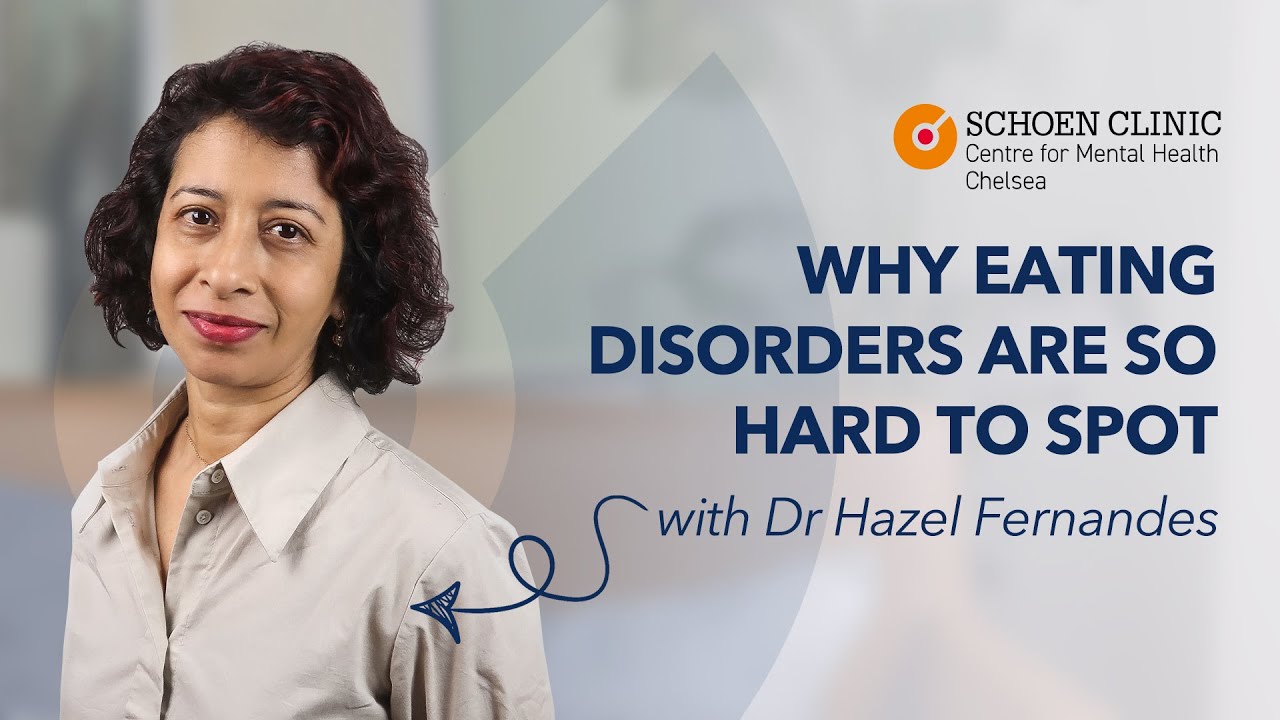
Eating disorders such as anorexia nervosa are among the most complex and serious mental health conditions affecting children and teenagers. They can develop gradually, are often difficult to spot in their early stages, and require specialist treatment involving not only the young person, but also their family and support network. To shed light on this challenging topic, Dr Hazel Fernandes , Consultant Child & Adolescent Psychiatrist at Schoen Clinic Chelsea , shares her expert perspective on what anorexia is, how it develops, and why a family-based approach to treatment is so important. “You don’t wake up one morning and decide to be anorexic. It’s a number of life events that occur that manifest themselves in a form of control,” explains Dr Fernandes. What is Anorexia Nervosa? Anorexia nervosa is more than just a desire to lose weight. It’s a serious mental health disorder characterised by a number of psychological, behavioural and physical symptoms, including: Distorted body image Extreme weight loss beyond what is healthy A sense of control through restriction of food Secrecy and difficulty in sharing what’s happening Unlike some mental health conditions, anorexia also alters the body’s satiety control and chemical balance, making recovery particularly complex. “Anorexia is one mental health disorder that is insidious and it creeps up on you. The onset is slow and before you even know it, you’re caught up in it,” says Dr Fernandes. Different Types of Eating Disorders in Young People While anorexia nervosa is one of the most well-known eating disorders, it’s not the only one affecting children and adolescents. At Schoen Clinic Chelsea , specialists treat a range of eating disorders, including: Anorexia Nervosa : Restriction of food intake, intense fear of weight gain, and distorted body image. Bulimia Nervosa : Cycles of binge eating followed by compensatory behaviours such as vomiting, laxative use or excessive exercise. Binge Eating Disorder (BED) : Repeated episodes of consuming large quantities of food, often in secret and without purging behaviours. Other Specified Feeding or Eating Disorders (OSFED) : When someone shows signs of an eating disorder but doesn’t fully meet the criteria for anorexia, bulimia BED they may be diagnosed with OSFED. Avoidant/Restrictive Food Intake Disorder (ARFID) : Severe restriction of food due to sensory sensitivities, fear of choking or vomiting, or lack of interest in eating. Each condition presents differently, but all require specialist intervention to prevent long-term physical and psychological consequences. Why Eating Disorders Develop There is no single cause of anorexia or other eating disorders. Instead, they arise from a combination of social, biological and psychological factors. Some of the common influences include: Social media pressures and unrealistic beauty standards Peer pressure during adolescence Family dynamics and stressful life events Perfectionism and need for control as coping mechanisms Genetic predisposition and brain chemistry Dr Fernandes highlights the particular risk of social media exposure : “The aspect of how you look is given so much importance nowadays, especially because of social media. The pressure young people are undergoing with their exposure to social media doesn’t help the fight against this particularly difficult disorder.” The Impact of Eating Disorders on Health Eating disorders are not only psychological conditions, they affect the entire body. For children and adolescents, the consequences can be particularly severe as their bodies are still developing. Physical health effects include: Malnutrition and vitamin deficiencies Slowed growth and delayed puberty Hormonal imbalances and menstrual irregularities Heart complications due to electrolyte imbalance Risk of osteoporosis later in life Mental health effects include: Anxiety and depression Social withdrawal and isolation Cognitive difficulties due to malnutrition Increased risk of self-harm or suicidal thoughts Because of these wide-ranging consequences, anorexia is recognised as having one of the highest mortality rates of any mental health condition. Why Eating Disorders Are Hard to Recognise in Children Children and teens often don’t realise they have an eating disorder until someone else notices the signs. Parents, carers and teachers therefore play a crucial role in early recognition. “It’s very difficult for a child under 18 to recognise they have an eating disorder. It becomes the role of carers to monitor what our children are doing,” notes Dr Fernandes. Some early warning signs to look for include: Restricting or skipping meals Avoiding certain food groups Sudden weight changes Obsession with body image or calorie counting Withdrawing from friends and family Increased secrecy around eating habits The Role of Families in Eating Disorder Recovery Effective treatment for eating disorders in children and adolescents goes beyond the young person themselves. It requires parents, carers, schools and medical professionals working together. At Schoen Clinic Chelsea, family involvement is central to treatment. “We treat eating disorders predominantly in children through family-based therapy, which has the most evidence for treating it. Parents are the ones who are going to implement our recommendations. That’s why honesty, openness and collaboration are essential,” says Dr Fernandes. Why Family-Based Therapy Works Family-Based Therapy (FBT), sometimes known as the Maudsley approach , is widely recognised as the most effective treatment for anorexia in young people. FBT typically involves: Parents taking an active role in refeeding their child Restoring healthy eating patterns before focusing on psychological issues Gradually returning responsibility for eating back to the young person Addressing family dynamics that may be contributing to the illness Research shows that FBT can significantly improve recovery outcomes, particularly when started early. At Schoen Clinic Chelsea, FBT is delivered by a multidisciplinary team that includes psychiatrists, therapists and dietitians. The Role of Schools and Teachers Schools are often where early warning signs are first noticed. Teachers and school staff may see changes in a student’s eating habits, weight, mood or performance. Collaborating with schools is therefore a vital part of supporting recovery. Dr Fernandes emphasises the importance of involving every environment a child is part of: “Everywhere the child goes the challenges are there. So it’s a very complex disorder to treat and needs highly specialised, consistent care.” Schools can support by: Providing flexibility around mealtimes Offering a safe, non-judgemental environment Communicating with parents and clinicians Encouraging peer support and awareness Common Misconceptions About Eating Disorders There are many myths surrounding eating disorders that can prevent families from seeking timely help. Some of the most common include: “Eating disorders are just about food.” False: They are complex mental health conditions with psychological and biological roots. “Only girls get anorexia.” False: Boys and young men are also affected, though they may be less likely to seek help. “It’s just a phase; they’ll grow out of it.” False: Eating disorders are not phases. Without treatment, they can persist for years and cause lasting harm. “Parents are to blame.” False: While family dynamics can play a role, eating disorders are never caused by a single factor. Parents are key partners in recovery. Practical Advice for Parents and Carers If you’re worried about your child’s eating habits, here are some steps you can take: Trust your instincts – if something feels wrong, seek advice. Open conversations gently – avoid blame or criticism, focus on concern. Monitor changes – keep an eye on eating patterns, mood and social withdrawal. Seek professional help early – eating disorders rarely improve without specialist support. Get involved in treatment – your role as a parent or carer is crucial in recovery. Why Early Treatment is Vital Eating disorders are associated with some of the highest rates of morbidity and mortality among mental health conditions. The earlier intervention begins, the better the chances of recovery. At Schoen Clinic Chelsea, our team of psychiatrists, therapists and dietitians provide specialist outpatient eating disorder treatment tailored to each child and their family. Our services include: Comprehensive assessments by experienced psychiatrists Family-based therapy and adolescent-focused therapy Collaborative support involving parents, carers and schools Compassionate, non-judgemental care at every stage of recovery When and How to Seek Help If you suspect your child may have an eating disorder: Speak to your GP as a first step. If you want faster access to assessment and treatment, you can also refer directly to Schoen Clinic Chelsea . Private health insurance (Bupa, Cigna, Aviva, Vitality and others) is accepted, and self-funding options are available. Learn more about our Outpatient Eating Disorder Services at Schoen Clinic Chelsea Read more about Dr Hazel Fernandes, Consultant Child & Adolescent Psychiatrist Dr Hazel Fernandes, Consultant Child & Adolescent Psychiatrist at Schoen Clinic Chelsea Final Thoughts from Dr Hazel Fernandes Dr Fernandes reminds families that recovery is possible, but it requires honesty and teamwork: “Ignoring the role carers have to play in a child’s mental health would be quite dangerous. My job is to absorb the angst, the anger, the guilt, and help families along that journey. The only thing we ask of parents is to be honest.” Key Takeaways Anorexia and other eating disorders are complex mental health conditions that require early intervention. Children often don’t recognise the problem themselves — parents and schools play a vital role. Family-based therapy is the most effective evidence-based treatment for anorexia in young people. Eating disorders affect both physical and mental health, with potentially life-threatening consequences. Specialist support is available at Schoen Clinic Chelsea , where care is compassionate, evidence-based and family-focused.
- Schoen Clinic UK Appointed to the NHS National Framework for Autism and ADHD Assessment Services
09.08.25, UK Schoen Clinic UK Group has been appointed to a new NHS national framework for the provision of Autism and ADHD Assessment Services, awarded by The Countess of Chester Hospital Commercial Procurement Services under the Provider Selection Regime. This multi-supplier framework has been established to address the growing demand for timely and high-quality assessments and diagnoses for individuals with autism, ADHD or combined conditions and will be delivered initially by Schoen Clinic Chelsea, London clinicians. Services provided through the framework will include comprehensive assessments and diagnostic pathways for both adult and paediatric patients. For those on the ADHD or combined pathways, the offering may also encompass medication prescribing, titration and review. Schoen Clinic UK’s inclusion in the framework spans a broad geographical footprint, with virtual assessment services available to patients in the North East, North West, Yorkshire, East Midlands, West Midlands, East Anglia, South East and the South West. In addition, both face-to-face and virtual assessments will be offered for London patients via Schoen Clinic Chelsea . Andy Davey, Managing Director of Schoen Clinic UK Group, commented: Andy Davey, Managing Director of Schoen Clinic UK Group "We are proud to have been appointed to this important NHS framework, which recognises the quality and breadth of our specialist mental health services. Our inclusion ensures we can support more patients across the UK in accessing timely, expert assessment and care for autism and ADHD. This aligns with our mission to improve the lives of individuals and families affected by mental health conditions through personalised, high-quality care." Schoen Clinic UK has a strong track record in delivering evidence-based mental health services and remains committed to supporting the NHS in addressing neurodevelopmental and wider mental health needs of individuals across the country. Ends - If you are an NHS patient wishing to know more, you can find out more here . If you are a commissioner wishing to discuss how we can support you, please reach out to Laura Penn by email or call 07498 031036. Notes to Editors: About Schoen Clinic UK Group The Schoen Clinic Group was founded in 1985 and has since developed into Germany's fifth-largest privately-owned hospital group. It currently treats 300,000+ patients annually at 45 hospitals and clinics in Germany and the UK. The group also includes the leading online telemedicine clinic: MindDoc. Schoen Clinic entered the UK healthcare market in 2017 providing award-winning, expert-led healthcare specialising in certain areas of medicine – now mental health and wellbeing, eating disorders and dementia care.
- When ADHD Goes Unnoticed: The Hidden Impact of Undiagnosed ADHD on Confidence, Self-Esteem and Mental Health
By Dr Bradley Powell , Clinical Psychologist at Schoen Clinic Chelsea Why recognising ADHD early matters Attention-Deficit/Hyperactivity Disorder (ADHD) is one of the most widely discussed neurodevelopmental conditions today. Yet despite growing awareness, many children and adults in the UK still go undiagnosed or only receive an ADHD diagnosis later in life. When ADHD is not recognised early, children often internalise the belief that they are lazy, careless, or simply “not good enough.” This misunderstanding can quietly erode self-esteem and confidence, with effects that often extend into adulthood. How ADHD symptoms are missed in children and teenagers ADHD does not always fit the common stereotype of a “hyperactive boy who can’t sit still.” Many children, particularly girls, display inattentive ADHD symptoms such as: Daydreaming Disorganisation Forgetfulness Quiet distractibility Because these traits are less disruptive, they are often misinterpreted as immaturity or lack of effort rather than signs of ADHD. Children with high intelligence may also mask ADHD by working twice as hard to keep up at school. To teachers and parents, they may appear capable, but beneath the surface, they are battling to sustain focus and organisation. This can delay an ADHD diagnosis for years. The impact of late or missed ADHD diagnosis When ADHD is overlooked, difficulties are often mistaken for behavioural problems or personal flaws. Over time, this can lead to significant emotional and relational challenges: Low self-esteem - being repeatedly told to “try harder” or that you are “lazy” despite genuine effort creates a deep sense of inadequacy. Anxiety and depression - ongoing struggles to keep up may be internalised as personal failure. Family conflict - misunderstandings can create tension when difficulties are viewed as laziness or defiance. Risky coping strategies - some teenagers turn to substances such as cannabis to manage focus or calm racing thoughts. Adult burnout - many adults only discover they have ADHD after years of overworking to keep up, often at the expense of their wellbeing. Even after an ADHD diagnosis is made, the emotional toll of years of misunderstanding may persist. Feelings of shame, frustration, or “not being good enough” often require specialist therapy to address. ADHD is more than a diagnosis It is important to remember that ADHD is not simply about challenges, as it also brings strengths. Many people with ADHD demonstrate creativity, energy, problem-solving skills and determination. With accurate diagnosis, understanding, and the right therapeutic strategies, individuals with ADHD can thrive in school, work, and relationships. Private ADHD assessments and therapy in London At Schoen Clinic Chelsea in London , we provide specialist private ADHD assessments for children, teenagers , and adults . Our neuroaffirmative approach ensures we not only identify areas of difficulty but also celebrate the strengths associated with ADHD. An accurate, compassionate assessment is the first step in reframing experiences and setting up the right support. ADHD therapy and support at Schoen Clinic Chelsea Following assessment, I offer tailored therapy and coaching, depending on each person’s needs: CBT and ADHD coaching - practical strategies to improve focus, manage time, boost confidence and address co-occurring mental health challenges. Family support - helping parents and carers understand ADHD and adapt the home environment to reduce conflict. Teen therapy - supporting young people who may be self-medicating with substances to develop healthier coping strategies. Adult therapy - helping those recently diagnosed to process feelings of shame, build resilience , and strengthen self-acceptance. This ensures that assessment is not the end point, but the beginning of meaningful support, enabling individuals to manage challenges while embracing their strengths. Changing the story of ADHD The cost of missed or late ADHD diagnosis is not just about forgotten homework or missed deadlines. It is about the quiet erosion of self-worth that comes from years of feeling different without knowing why. By recognising ADHD early, and by providing accurate assessment and therapy, we can help children, teenagers, and adults reframe their experiences and see themselves not as flawed, but as capable, resilient and full of potential. Book a private ADHD assessment in Chelsea, London If you or your child are struggling with difficulties that may be linked to ADHD, professional support is available. At Schoen Clinic Chelsea , we offer comprehensive private ADHD assessments and personalised therapy for children, adolescents and adults. You can also book self-funded ADHD assessments with our specialists. Choose and schedule your own appointment here . With the right assessment, therapy, and strategies, it is possible to move beyond self-doubt and build a more confident, fulfilling life. 📍 Located in Chelsea, London, self-funding and self-referrals welcome. 👉 Find out more about private ADHD assessments at Schoen Clinic Chelsea: For children and teens For adults Dr Bradley Powell, Clinical Psychologist at Schoen Clinic Chelsea About the author Dr Bradley Powell is an award-winning Clinical Psychologist at Schoen Clinic Chelsea with over seven years of experience supporting children, adolescents and adults. He specialises in treating anxiety, depression, low self-esteem and neurodevelopmental conditions such as autism and ADHD. Combining evidence-based therapies with a warm, personalised approach, Dr Powell helps individuals better understand themselves, overcome challenges and build long-term resilience. Book an appointment with Dr Powell today.
- Zuranolone: A Breakthrough in Postnatal Depression Treatment
By Dr James Woolley , Consultant Psychiatrist at Schoen Clinic Chelsea. The UK has just approved the first-ever oral medicine for postnatal depression (PND). Zuranolone (brand name Zurzuvae ) is a 14-day capsule course designed to provide faster relief for adults with moderate to severe PND after childbirth. Its approval offers new hope for women and families navigating the challenges of postnatal depression , under the care of specialist perinatal teams. A new mother struggling with postnatal depression, also known as postpartum depression (PPD) MHRA Approval: A First for Postnatal Depression in the UK On 27 August 2025, the Medicines and Healthcare products Regulatory Agency (MHRA) authorised zuranolone as the first oral treatment for postnatal depression in the UK. Approval was granted through the International Recognition Procedure, a regulatory milestone that expands treatment options beyond traditional antidepressants and psychological therapies. The MHRA emphasised that the decision was driven by the need to provide patients with effective, safe medicines that can make a meaningful difference in daily life. How Zuranolone Works for PND Unlike SSRIs (selective serotonin reuptake inhibitors), zuranolone is a GABA-A receptor positive modulator. It was developed specifically for postpartum depressive syndromes, positioning it as a complementary option to psychological therapy and existing medications. Dosage : One capsule at night with a fat-containing meal Course length : 14 days Supervision : To be prescribed within specialist perinatal services, with appropriate monitoring of benefits and side effects Who Zuranolone Can Help Postnatal depression affects more than 1 in 10 women within a year of giving birth. Symptoms often include: Persistent low mood Anxiety and irritability Fatigue and sleep disruption Difficulties bonding with the baby Zuranolone is indicated for adults following childbirth with moderate to severe PND. The MHRA recommends it be prescribed only by specialist perinatal teams, alongside psychological support and wider care services, ensuring safety and holistic treatment planning. Zuranolone Side Effects and Safety Considerations Like all medicines, zuranolone carries risks and requires careful monitoring. Common side effects include: Drowsiness and sedation Dizziness or confusion Memory problems Tremor Diarrhoea Fatigue ⚠️ Important cautions: As with any new medication, there are additional safety considerations, including potential effects on mood, daily activities, and suitability during or after pregnancy. It is important that patients discuss these risks fully with their specialist perinatal team, follow medical advice closely, and always check the patient information leaflet for the most up-to-date safety guidance. A new mother working on a laptop with her baby on her shoulder. Impact on Perinatal Mental Health Care For perinatal mental health teams, zuranolone represents a time-limited oral option that may deliver rapid symptom improvement. This could be especially valuable for women with severe symptoms where traditional treatments have been slow to take effect. Care planning should include: Prescriber training Counselling on driving and safety risks Sleep and caregiving contingency planning Contraception advice This integration ensures zuranolone complements, rather than replaces, existing talking therapies and practical supports. Access and Next Steps While MHRA approval marks a significant step, local adoption will depend on commissioning and service readiness across NHS perinatal networks. Guidance from NICE and further details on rollout will follow in the coming months. Clinicians and service leaders can track updates via MHRA communications and NICE guidance, as well as plan ahead for safe implementation and ongoing pharmacovigilance. FAQs About Zuranolone What is zuranolone used for? Zuranolone is approved in the UK as the first oral medicine for treating moderate to severe postnatal depression (PND) in adults after childbirth. Is zuranolone available in the UK? Yes. The MHRA approved zuranolone in August 2025, though availability will depend on commissioning decisions and service rollout. What are the side effects of zuranolone? Common side effects include drowsiness, dizziness, confusion, diarrhoea, fatigue, and memory problems. Safety monitoring is essential. How long does zuranolone take to work? Clinical trials suggest some patients may experience improvement within days, but specialist monitoring is required. References for Further Reading MHRA news release: “MHRA approves zuranolone to treat postnatal depression in adults following childbirth” National Health Executive report NICE technology appraisal final scope for zuranolone in PND StatPearls (NCBI Bookshelf): Perinatal Depression overview Narrative review: Clinical utility of zuranolone for postpartum depression (2025) Support for Postnatal Depression at Schoen Clinic At Schoen Clinic Chelsea , our specialist psychiatrists, psychologists and therapists provide expert support for women experiencing postnatal depression . We offer a range of treatments tailored to each individual, from psychological therapies to integrated psychiatric care. 👉 If you or someone you love is struggling with postnatal depression, please contact our team today for confidential support and treatment options. About the Author: Dr James Woolley is a Consultant Psychiatrist at Schoen Clinic Chelsea with a special interest in complex trauma, anxiety disorders and emerging treatments for treatment-resistant mental health conditions.